
Quick Answer
Sisal is the tougher, coarser fibre, suited to hallways, living rooms and busy homes. Jute is softer and more affordable, better for bedrooms and quieter rooms. Both are natural, biodegradable and neutral in colour, but neither likes moisture. Choose sisal for durability and jute for comfort.
Key Facts
| Item | Detail |
| Sisal source | Leaves of the Agave sisalana plant |
| Main sisal producers | Brazil, Tanzania, Kenya |
| Jute source | Stems of the Corchorus plant |
| Main jute producers | Bangladesh, India |
| Sisal strength | Hard-wearing, textured |
| Jute strength | Soft, affordable |
| Shared weakness | Moisture and staining |
Introduction
Natural fibre floor coverings continue to grow in popularity across the UAE. Their neutral colours soften modern concrete and glass interiors, and their texture adds depth without clutter. Sisal and jute are often mentioned together, yet they behave differently. Understanding those differences saves money and disappointment.
What Is Sisal?
Sisal is a strong fibre extracted from agave leaves. It is stiff, resists abrasion and holds its shape well. Fitted sisal carpet dubai installations are common in stairs, corridors and living rooms, where durability matters. Its slightly rough feel is part of its character; some people find it less comfortable for bare feet or for children who sit on the floor.
What Is Jute?
Jute is a soft plant fibre from the stem of the jute plant. It has a gentle golden tone and feels more pleasant to touch. Shoppers browsing jute carpet dubai options often choose it for bedrooms and reading corners. It wears faster than sisal and should be kept away from damp zones.
Sisal Rugs
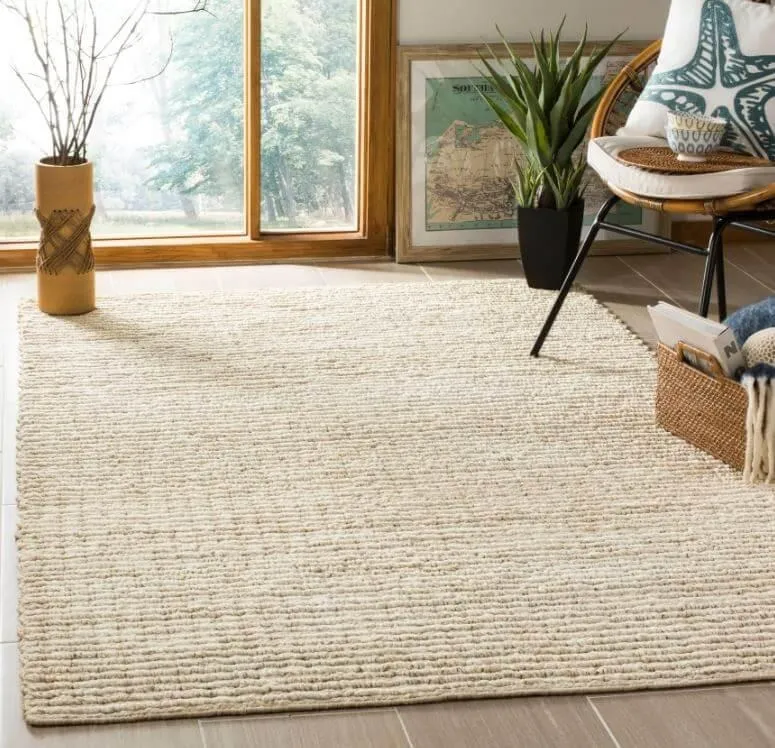
Sisal can also be woven into area rugs with bound edges. Those searching for sisal rugs dubai will find flat weaves, herringbone and bouclé-style patterns. A rug is a smart way to try the material before fitting a whole room. It also suits rented homes since it can be removed easily.
Sisal vs Jute Comparison
| Feature | Sisal | Jute |
| Durability | High | Moderate |
| Softness | Low to moderate | Moderate to high |
| Stain resistance | Low (but better than jute) | Low |
| Best rooms | Hallways, living areas, stairs | Bedrooms, studies |
| Price level | Mid | Low to mid |
| Colour options | Neutral, some dyed | Mostly natural tones |
And what about seagrass and coir?
Seagrass is naturally stain-resistant but slippery and hard to dye. Coir comes from coconut husks and is tough, mostly used for doormats and rugs in entrances.
Step-by-Step: Choosing the Right Fibre
- List your room and traffic. More footfall points to sisal.
- Consider barefoot comfort. Soft preference leans toward jute.
- Check moisture exposure. Avoid both in bathrooms and kitchens.
- Pick a weave. Tight weaves hide dirt better than loose ones.
- Plan the underlay. It improves feel and reduces wear.
- Order samples and test them with a drop of water in an inconspicuous corner if the supplier allows.
Styling Ideas
- Layer a patterned cotton rug over a neutral sisal base.
- Pair jute with white linen, rattan and light oak.
- Use dark furniture with sisal to create contrast.
- Choose a bordered rug for a tailored finish.
Risala Furniture and Interiors LLC often sees customers combine a sisal runner in the hallway with a jute rug in the bedroom, which keeps the natural look consistent while matching each fibre to its job.
Dubai-Specific Care Tips
- Vacuum often because dust is common; use suction without a beater bar.
- Blot spills; never rub or soak.
- Keep humidity in check with air conditioning.
- Rotate rugs to even out sun exposure.
- Avoid steam cleaning, which can shrink or stain natural fibres.
Sustainability Note
Both fibres are renewable and biodegradable. Look for latex or natural backings and ask about the origin and dyes used, since manufacturing practices differ. For authoritative background, consult the UN Food and Agriculture Organization’s natural fibre resources.
Frequently Asked Questions
1. Which is better, sisal or jute? Neither is universally better. Sisal wins on durability; jute wins on softness.
2. Can sisal be used on stairs? Yes, it is a popular stair covering because of its strength.
3. Do sisal rugs fade? Strong sunlight can lighten natural fibres over time, so use window treatments.
4. Are sisal rugs itchy? They are coarser, so some people find them less comfortable on bare skin.
5. How do I clean a sisal rug? Vacuum regularly and spot clean with a dry or lightly damp cloth.
6. Can I use sisal in a dining room? Possible, but spills can stain. A tight weave and quick cleanup help.
7. Does jute attract insects? Natural fibres can attract pests if kept damp and unused; airing and vacuuming prevent problems.
8. How long do sisal and jute floors last? Sisal can last many years in a home; jute is generally shorter-lived.
9. Where does Risala Furniture and Interiors provide its services? Risala Furniture and Interiors LLC provides its services in UAE ,OMAN , QATAR , SAUDI ARABIA , KUWAIT , BAHRAIN and all across the Gulf and Middle East region.
Key Takeaways
- Sisal is tougher; jute is softer.
- Both avoid moisture.
- Sample, then decide.
- Rugs let you test natural fibre before fitting a full room.
Conclusion
Think about how your space is used each day, then choose the fibre that fits. If you would like to see samples or discuss measurements, talk to Risala Furniture and Interiors LLC.
📍 Visit us: maps.app.goo.gl/igmNHkW1QCyL19wT7?g_st=ac
