
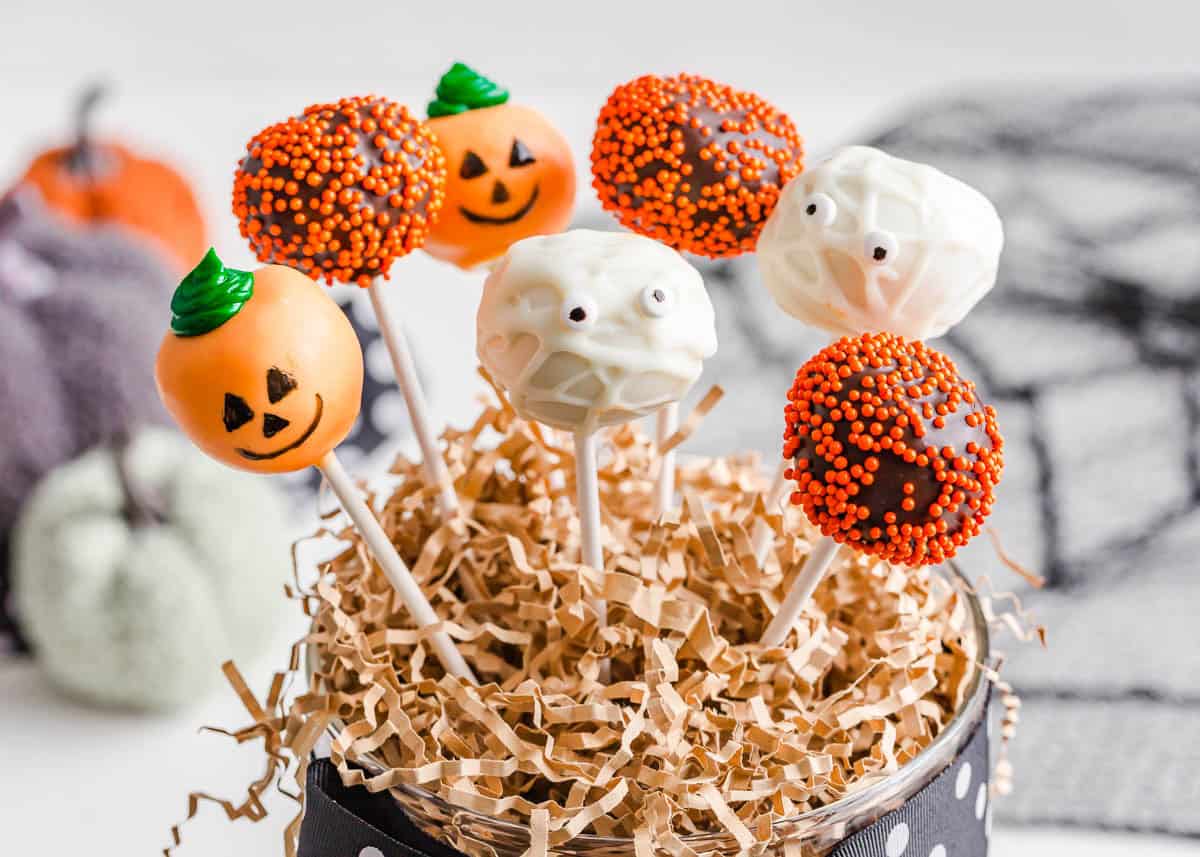
Halloween in Britain has changed a lot. A few decades ago it was mostly a quiet night with a turnip lantern, if that. Now it is a proper event, with children in costume knocking on doors and neighbours trying to guess how many visitors they will get.
If you are new to it, or you just want to avoid being the house with the empty bowl, here is a straightforward guide to trick-or-treating in the UK.
Trick-or-treat etiquette, British style
The key rule is simple. A carved pumpkin or Halloween decorations on the doorstep means you are welcome to knock. No decorations, and a dark house, means leave well alone.
A few other unwritten rules:
- Go early. Most families aim for between 5pm and 8pm, and younger children head home well before that
- Knock or ring once, then wait. Do not hammer the door
- Say “trick or treat” and, importantly, say thank you
- Take one or two sweets, not a fistful, if the bowl is offered
- Do not go to houses with no decorations, and respect anyone who says no
- Stay off lawns and flowerbeds
For adults, the courtesy runs both ways. If you are opening the door, smile, compliment the costumes and keep the bowl at a child-friendly height.
How much should you buy?
This is the question that stumps nearly everyone. Numbers vary a lot depending on where you live. A quiet cul-de-sac might see five or six groups. A busy street near a school can see dozens.
If you have never done it before, a rough way to plan is to guess the number of children who might knock, multiply by two or three sweets each, then add a little extra for the keen ones. A box of around 50 to 60 pieces is a sensible starting point for an average street. Go higher if you live somewhere popular.
It is much better to buy slightly too many than to run out at 6.30pm and have to hide behind the sofa. Remember that leftovers can always be eaten, but an empty bowl cannot be refilled in a hurry.
Picking your moment
Halloween falls on 31 October, and when it lands on a school night, most families go out for a shorter stretch of time. If it falls on a weekend, expect more callers and a bit later in the evening.
It helps to decide in advance when you are open for business. Switch the porch light on, put out your decorations and take them in again when you have had enough. Nobody will mind if you call it a night at 8pm. Put a note on the door saying “sorry, all out of treats” if you run short, and callers will understand.
If you are out for the evening, it is perfectly fine to leave a bowl on the doorstep with a sign saying “take one, please”. Keep an eye on it, though, because someone always takes the lot.
Wrapped or loose?
Individually wrapped sweets are the safest and simplest choice for trick-or-treat. They stay clean, they are easy to hand out, and parents can check the label before their child eats anything. Many parents will not let children eat unwrapped sweets from strangers, which is sensible.
Loose sweets are fine at a party, where you know everyone, but they are not ideal on the doorstep.
When you are choosing, think about:
- Small, fun-sized bars that are easy to hold
- Fizzy packets or small bags of chewy sweets
- Lollipops with proper wrappers
- Anything with a Halloween theme, such as spooky shapes or colours
For a good selection, Halloween sweets in spooky colours and shapes are a handy way to keep the theme without buying lots of different packs. Look for bags that mix chewy, fizzy and chocolate, so there is something for everyone.
Allergy-aware options and the teal pumpkin idea
One in every few children seems to have a food allergy or dietary need these days, so it is worth thinking about. The Teal Pumpkin Project started in the United States and has made its way over here. The idea is simple: if you put a teal-coloured pumpkin on your doorstep, you are signalling that you have non-food treats or allergy-friendly options available.
You do not need to join any scheme to take part. Just put a teal pumpkin out, or paint a plastic one, and keep a small bowl of non-food items aside.
If you are handing out sweets, check the labels. Make sure you keep any packaging for a few days in case a parent asks. A few simple pointers:
- Offer a mix of nut-free, gluten-free and dairy-free options where possible
- Keep these separate from the main bowl, to avoid cross-contact
- If you are unsure about an ingredient, do not guess, and offer a non-food item instead
Vegetarian options are also worth including, because gelatine appears in many gummy sweets. If you want to have a look at what is out there, you can buy sweets online UK from sellers who label their vegetarian and dairy-free ranges clearly. It saves a lot of squinting at small print in the supermarket.
Non-sweet alternatives
Not every treat needs to be edible. Some children will be thrilled to receive something different, and parents often welcome it. Easy ideas include:
- Stickers and temporary tattoos
- Glow sticks and bracelets
- Small bouncy balls
- Pencils, erasers and mini notebooks
- Plastic spider rings and fake vampire teeth
- Mini colouring books
Keep a small bowl of these next to the sweets and let children choose. It is a thoughtful touch, and it takes the pressure off for anyone with dietary restrictions.
Decorating on the cheap
You can create a properly spooky doorstep without spending much at all.
- Carve a pumpkin yourself. A tea light inside will do the job
- Make paper bats and ghosts from black card and kitchen roll
- Cut a few cobwebs from cotton wool or cheap stretchy webbing
- Use fairy lights in orange or purple
- Print out a “Trick or Treat” sign and tape it to the door
- Upcycle old sheets into ghostly figures for the garden
A little goes a long way. A pumpkin, a bit of lighting and a cheerful sign tell neighbours exactly what they need to know.
For children, the fun is half the decorating itself. Let them design the pumpkin or help hang the bats. It keeps them busy and builds excitement.
Keeping kids safe on the night
Safety should be at the top of the list. Younger children should always go with an adult, and older ones should go in groups, with a rough plan of where they are going and when they will be back.
A few practical tips:
- Wear something bright or reflective, or carry a torch, so drivers can see you
- Choose costumes that do not trail on the ground and masks that do not block vision
- Stay on pavements and cross roads carefully
- Carry a charged phone and agree a meeting point
- Check treats before eating, and bin anything unwrapped or opened
- Never go inside a stranger’s house
For households handing out sweets, keep the porch light on, clear the path of trip hazards and keep pets out of the way. A nervous dog can turn a lovely evening into a stressful one in seconds.
If you are the one going out
Plenty of grown-ups end up on the pavement too, carrying a torch and a flask. A few tips from the other side of the doorstep help everything go smoothly.
Plan a short route and stick to it. A tight loop around a few streets you know is better than wandering miles. Take a bag for the haul, ideally one with a handle so little hands can manage it. Remind children to wait at the gate until you are ready, and to hold back when other groups are at a door.
Be kind to houses that do not join in. Plenty of people are elderly, unwell or simply tired. A quiet “no worries” and a wave is all that is needed. And if someone gives you a tangerine or a pencil rather than a sweet, say thank you anyway.
It is also worth agreeing a rule before you set off. Nothing gets eaten until you are home and the lot has been checked. It saves the argument at the first lamp post.
What to do with leftovers
If you have bought too many, you are far from alone. Do not feel obliged to eat the lot on the night.
- Store in a cool, dry place and keep the sealed ones for later
- Freeze chocolate bars if you need them to last
- Use leftover sweets in baking, such as a tray of rocky road
- Add them to Christmas stockings or advent calendars
- Take them to work, a school or a community group
- Hide them somewhere genuinely hard to find
It is also a good moment to talk to children about how much sugar is sensible. Let them pick a few favourites and put the rest away for later in the week.
Final thoughts
Halloween in the UK works best when everyone plays along. Put a pumpkin out if you are happy to welcome visitors, buy a sensible amount, think about allergies and keep everyone safe. That is really all it takes.
Do that and you will have a good night, a few cheerful costumed callers and, with luck, a few sweets left over for yourself.
