
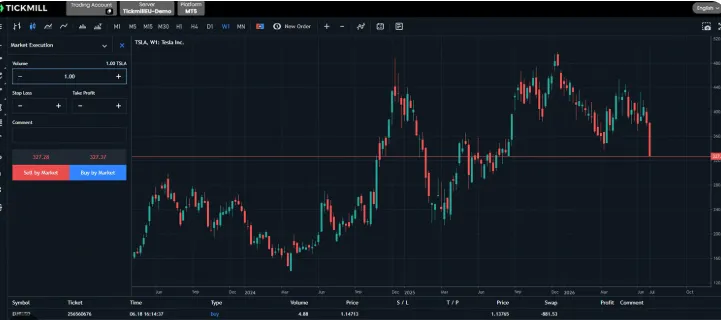
The first month of trading is often the most expensive, not because markets are unusually cruel, but because beginners repeat the same avoidable errors. Small accounts have little room for mistakes, so a handful of poor habits can wipe out weeks of saving. The good news is that these problems are predictable and therefore preventable. This article describes five common mistakes that drain new accounts, explains why they happen, and offers practical ways to avoid them before your first deposit disappears into avoidable losses. Awareness is your best protection.
Mistake One: Skipping Practice Entirely
Many newcomers open a live account on the first day, eager to start earning. They then learn basic mechanics, such as order types and stop-losses, while real money is at risk. Spending a few weeks with a forex demo account would allow the same lessons to cost nothing. Practice also reveals how quickly positions move and how emotions respond to gains and losses. Treat virtual trading as serious preparation, and move to real funds only after your process feels familiar. Practice is cheap, while mistakes made with real money are not.
Mistake Two: Risking Too Much on Each Trade
A small account tempts people to take large positions, hoping to grow quickly. Unfortunately, oversized trades turn ordinary losing streaks into account-ending events. A common guideline is to risk only one or two percent of your balance on each position, which keeps individual losses manageable. Calculate your position size from your stop-loss distance rather than choosing a number that feels exciting. Slow, steady risk control is far less thrilling than chasing big wins, yet it is what keeps beginners in the game. Discipline here protects everything else.
Mistake Three: Using Too Much Leverage
Leverage allows a small deposit to control a much larger position, and many beginners choose the maximum offered. This magnifies losses as quickly as profits, and a modest price move can trigger forced closures. Lower leverage gives your positions room to survive normal fluctuations. Learn how margin, stop-out levels, and free margin work before trading live. Treat leverage as a tool that demands respect, not as a shortcut to growing a small balance. Conservative settings will protect you while you learn. Write it down today and stick to it.
Mistake Four: Trading Without a Plan
Entering trades on impulse, following social media tips, or reacting to a sudden spike is a quick route to losses. Successful stock trading and currency trading both depend on a written plan that defines your entries, exits, risk limits, and the markets you will trade. Without one, every decision becomes emotional. A plan does not need to be complicated, but it must be specific. Review it before each session, and resist changing the rules in the middle of a trade. Calm habits protect capital better than clever predictions ever will.
Mistake Five: Letting Emotions Take Over
Fear, greed, and frustration drive some of the most expensive decisions in trading. After a loss, many beginners try to win the money back immediately by taking larger or riskier trades, a pattern known as revenge trading. Others close winning positions too early because they fear losing profit. Protect yourself with simple rules, such as a daily loss limit and a pause after consecutive losses. Keeping a journal helps you notice emotional patterns before they become costly habits. Patience, more than talent, decides who survives these early weeks.
Building Habits That Protect a Small Account
Avoiding these mistakes becomes easier when you build a routine. Practise first, size positions carefully, keep leverage modest, follow a written plan, and manage your emotions with firm rules. Review every trade weekly and note what you did well and what you would change. Expect early losses and treat them as tuition rather than failure. Improvement comes from consistency, not brilliance. A small account that survives the first month has already achieved something valuable, because survival allows learning to continue. Take those steps now and trade carefully.
Conclusion
The first month of trading rewards patience and punishes shortcuts. Practise before risking real money, control your position size, use leverage cautiously, follow a written plan, and keep emotions in check with firm rules. None of these habits is complicated, but together they protect small accounts from the most common causes of early failure. Remember that surviving the first month is a genuine achievement. For tools and learning resources that support careful beginners, explore tradewill.com and build your trading skills one disciplined step at a time.
